 DABEL5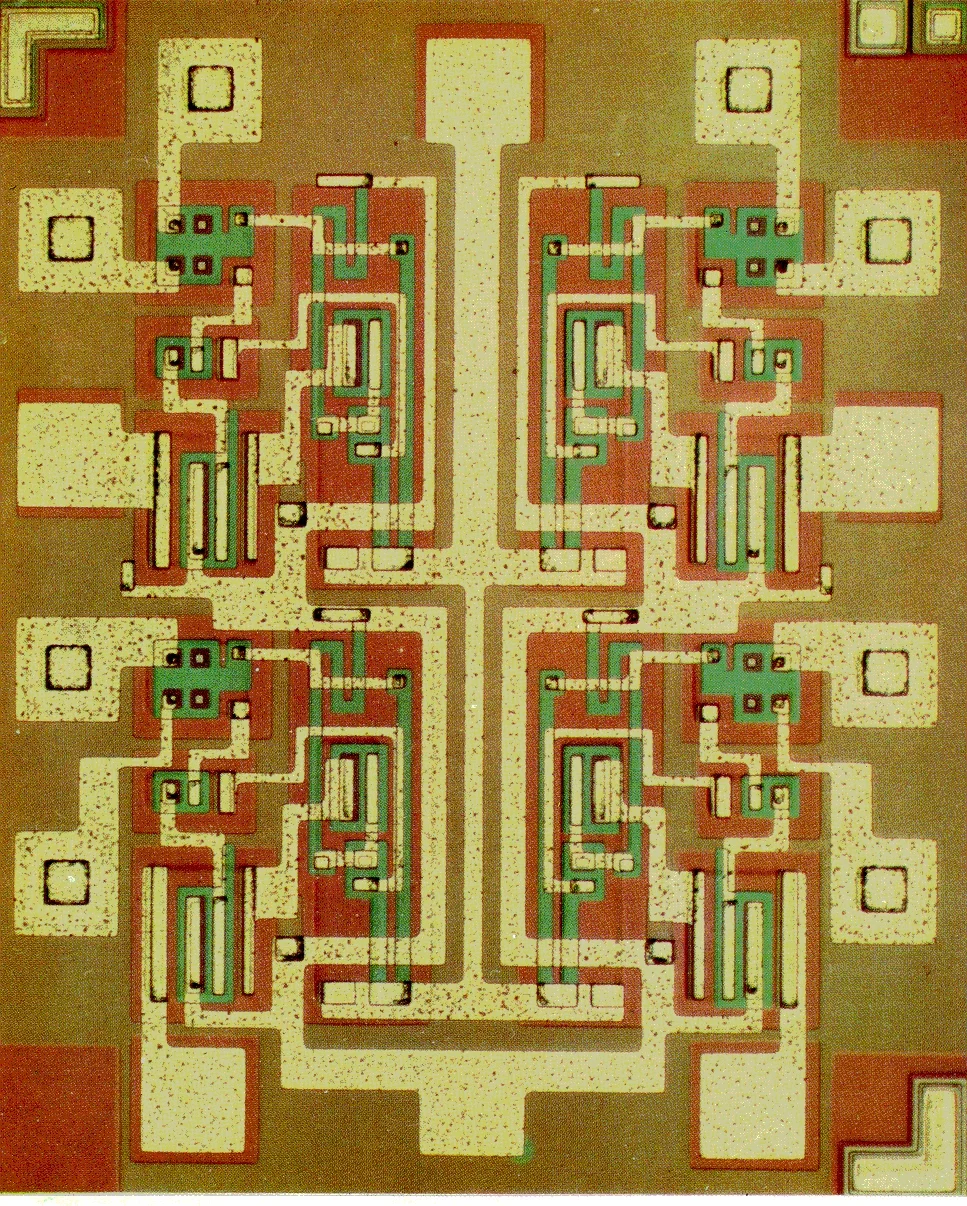
Why 28nm
Cutting-edge 3nm can't be made without ASML's monopoly EUV — impossible in space. 28nm needs only ArF, and Google TPU v1 proved 92 TOPS at that node. Silicon comes from smelting slag, and space itself is the cleanroom.
Cutting-edge 3nm can't be made without ASML's monopoly EUV — impossible in space. 28nm needs only ArF, and Google TPU v1 proved 92 TOPS at that node. Silicon comes from smelting slag, and space itself is the cleanroom.
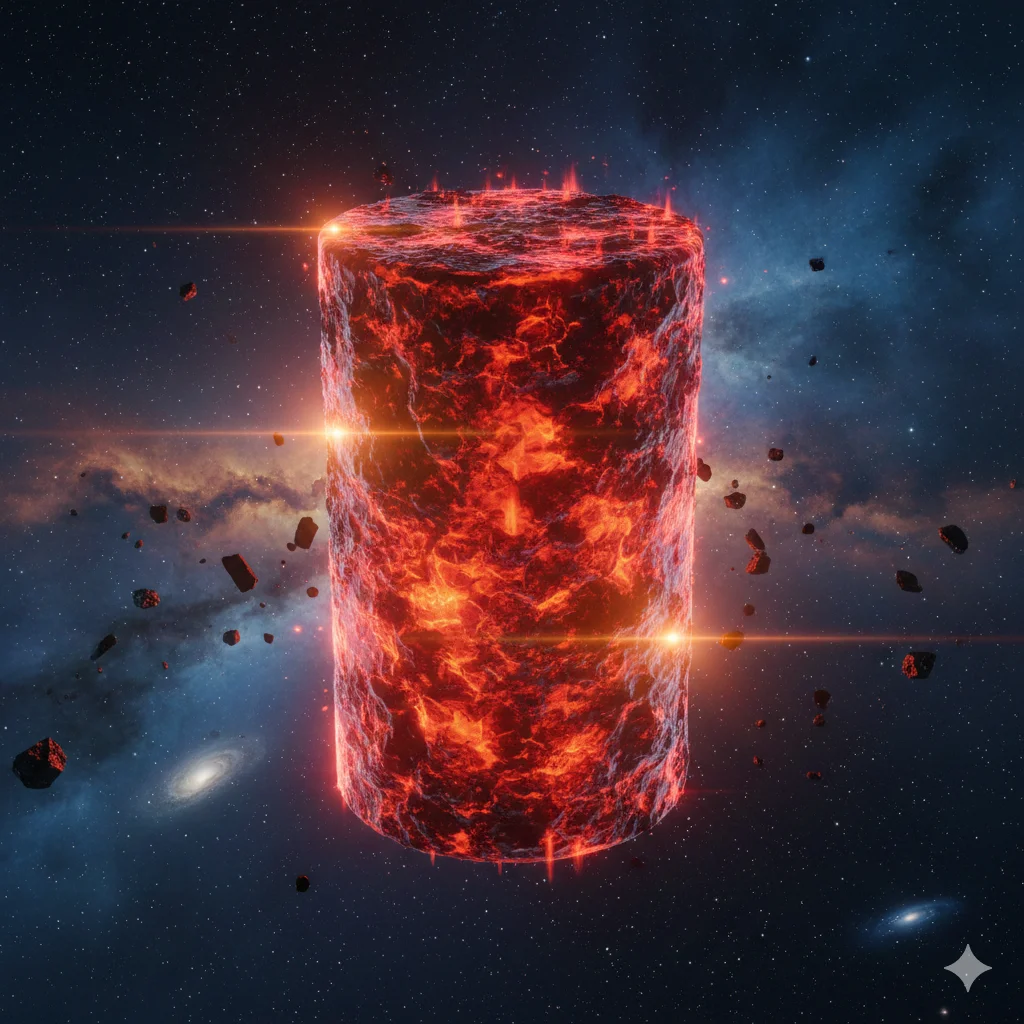
A Dyson module is a solar thermal power plant — store heat directly as molten Fe-Ni in zero-g. ~145 Wh/kg with latent heat, infinite cycles, all from asteroid ore.
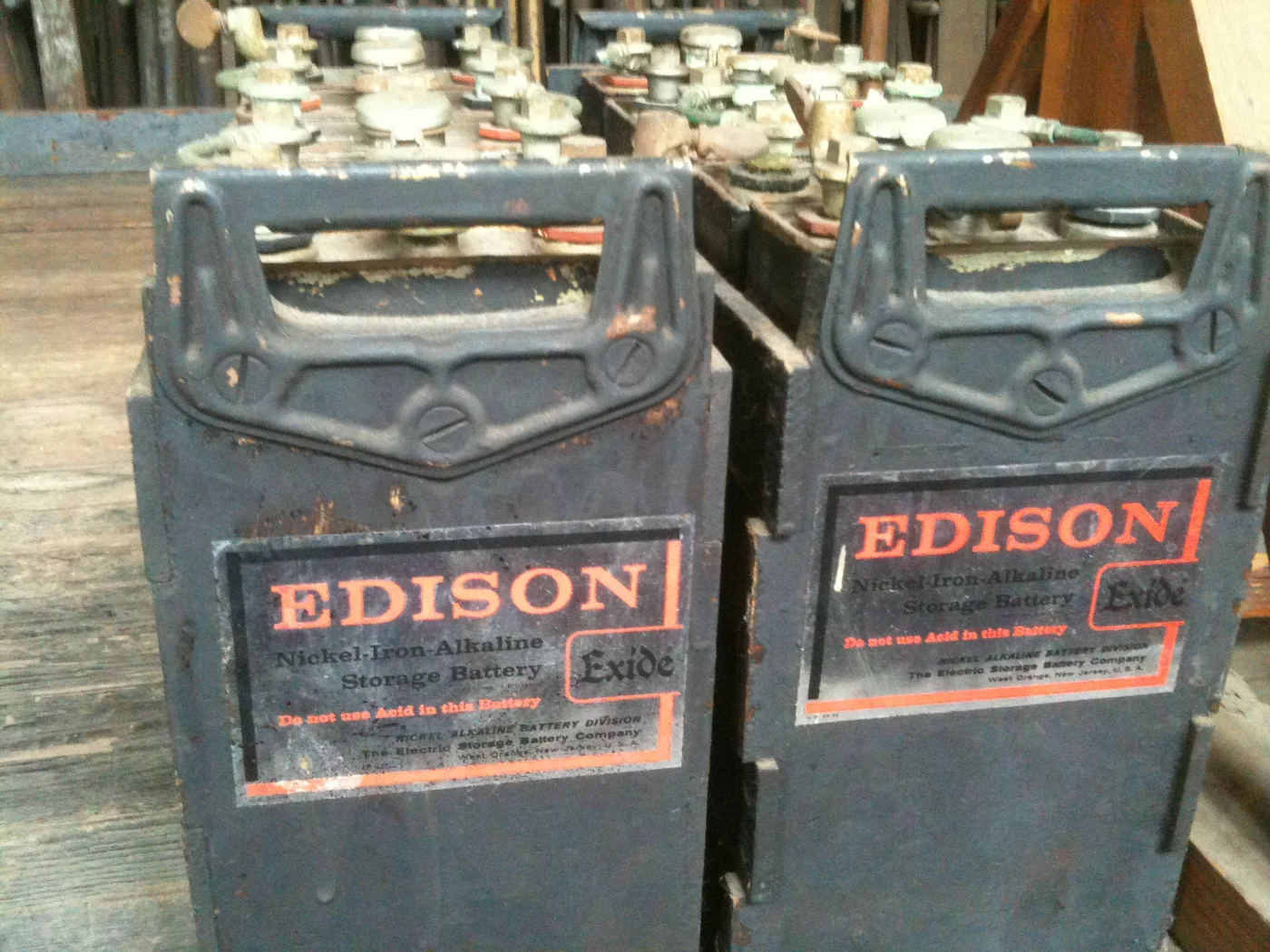
There's no lithium on asteroids, you can't swap batteries every 10 years in space, and you can't put out a fire in vacuum. Iron-nickel batteries are made from asteroid smelting byproducts, last 30-50 years, and after full charge they produce hydrogen and oxygen.
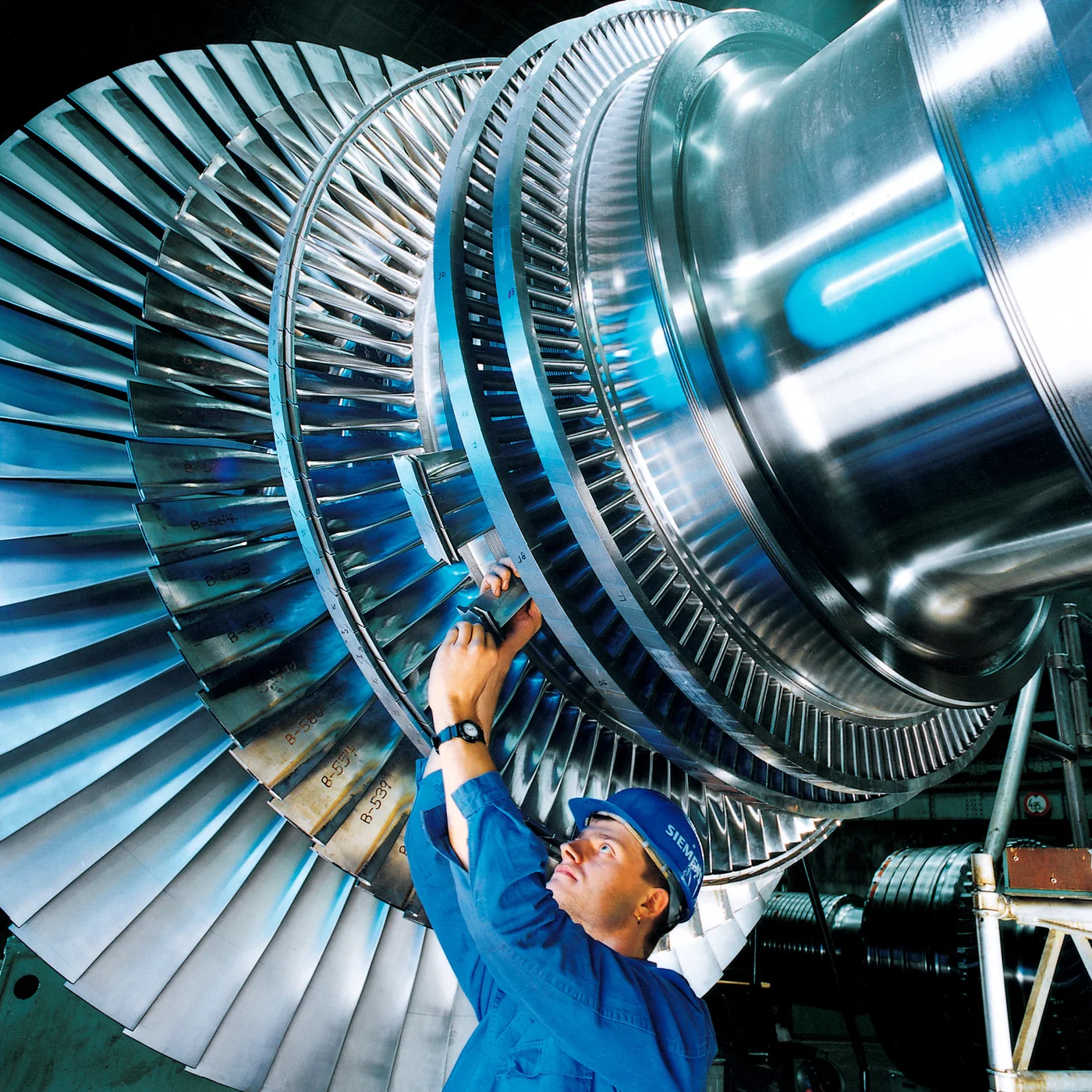
Solar panels and turbines both convert sunlight to electricity at ~30% efficiency in space. But turbines cascade the remaining 70% as useful heat, can be built from asteroid materials, and are field-serviceable — making them the only option for a self-replicating Dyson swarm.
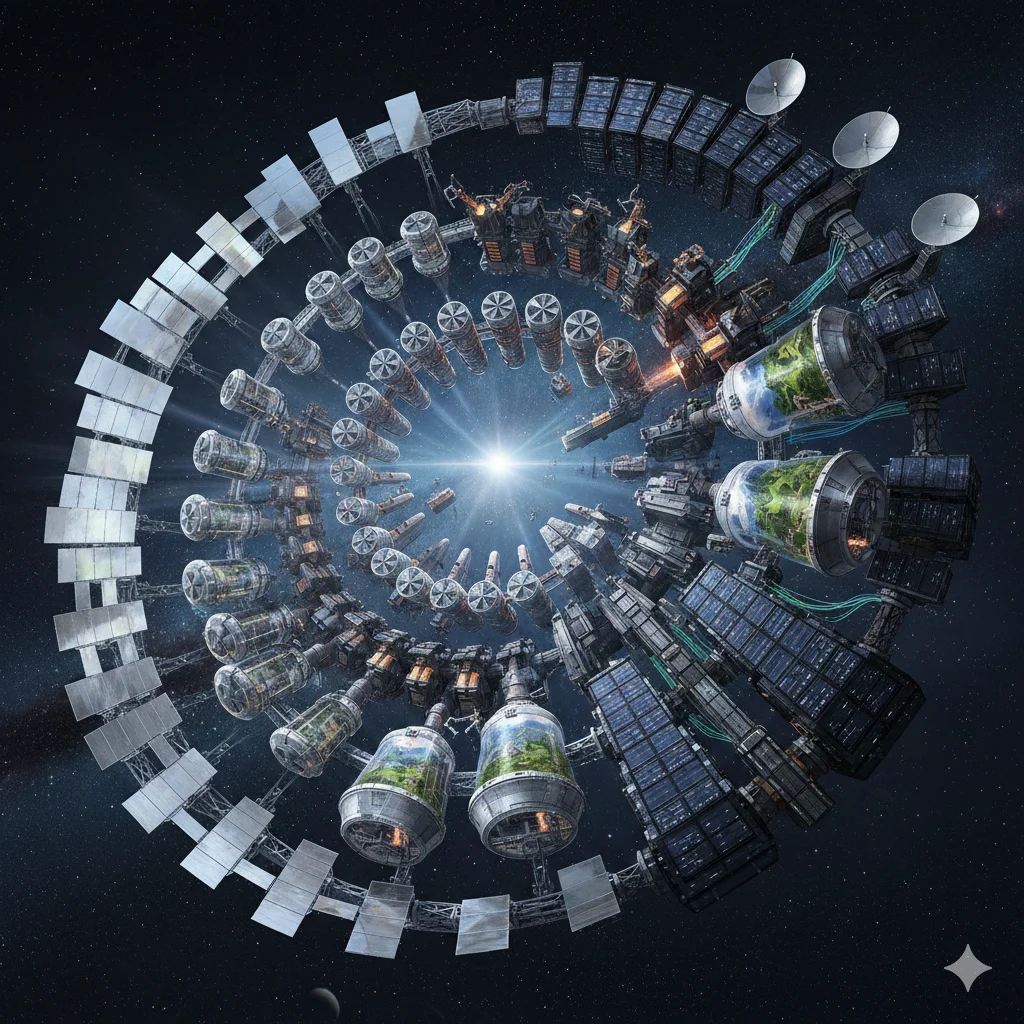
The standard Dyson swarm scenario assumes dismantling Mercury near the Sun. But what if you use asteroid resources and build at Sun-Earth L5 instead? Here are the calculations.