 DABEL5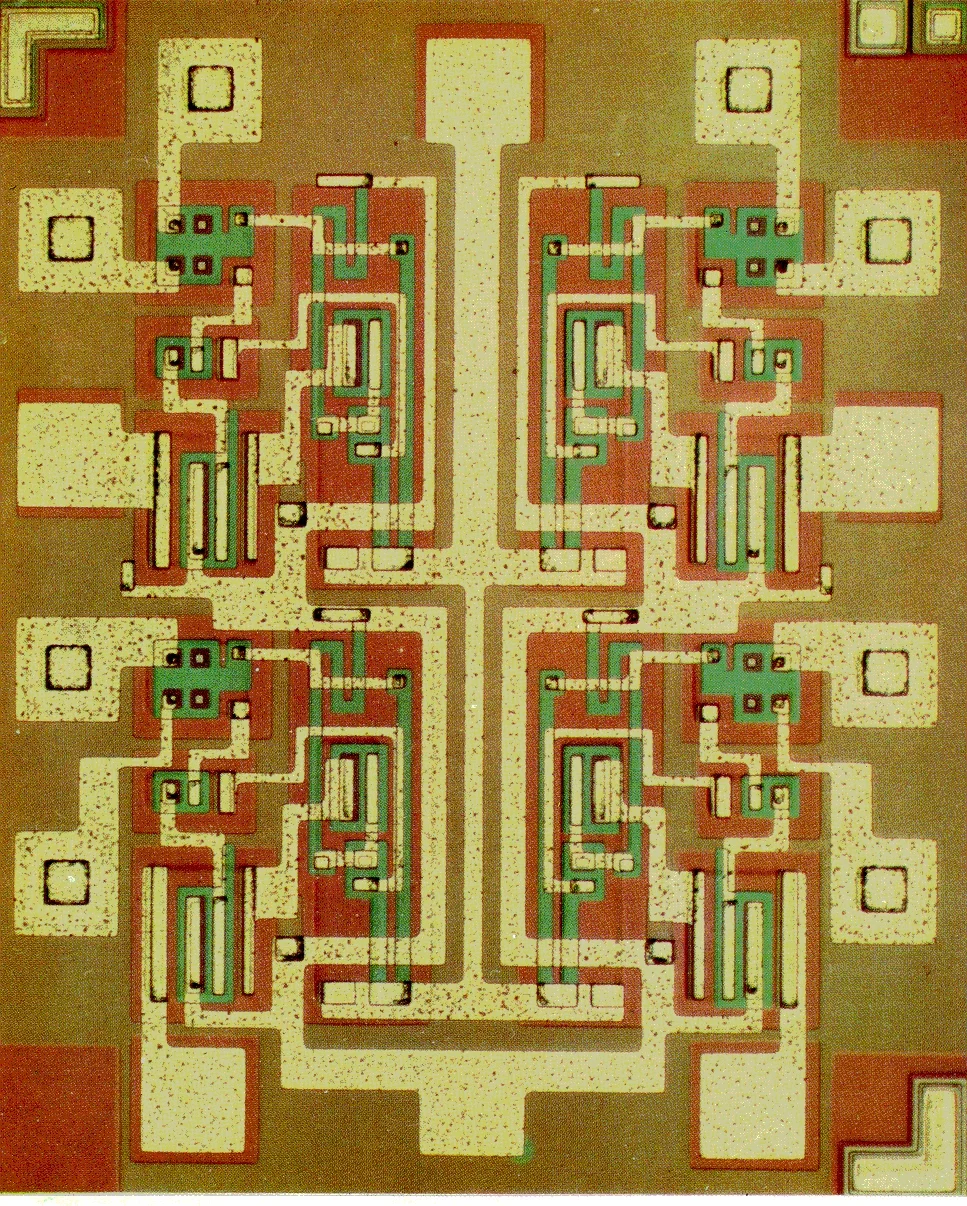
Why 28nm
Cutting-edge 3nm can't be made without ASML's monopoly EUV — impossible in space. 28nm needs only ArF, and Google TPU v1 proved 92 TOPS at that node. Silicon comes from smelting slag, and space itself is the cleanroom.
Why asteroids instead of Mercury. Why L5 instead of near the Sun. Why turbines instead of solar panels.
Every design decision in DABEL5 starts with why? Within the bounds of physics, using only existing technology, we ask what the most realistic first step is.
Cutting-edge 3nm can't be made without ASML's monopoly EUV — impossible in space. 28nm needs only ArF, and Google TPU v1 proved 92 TOPS at that node. Silicon comes from smelting slag, and space itself is the cleanroom.
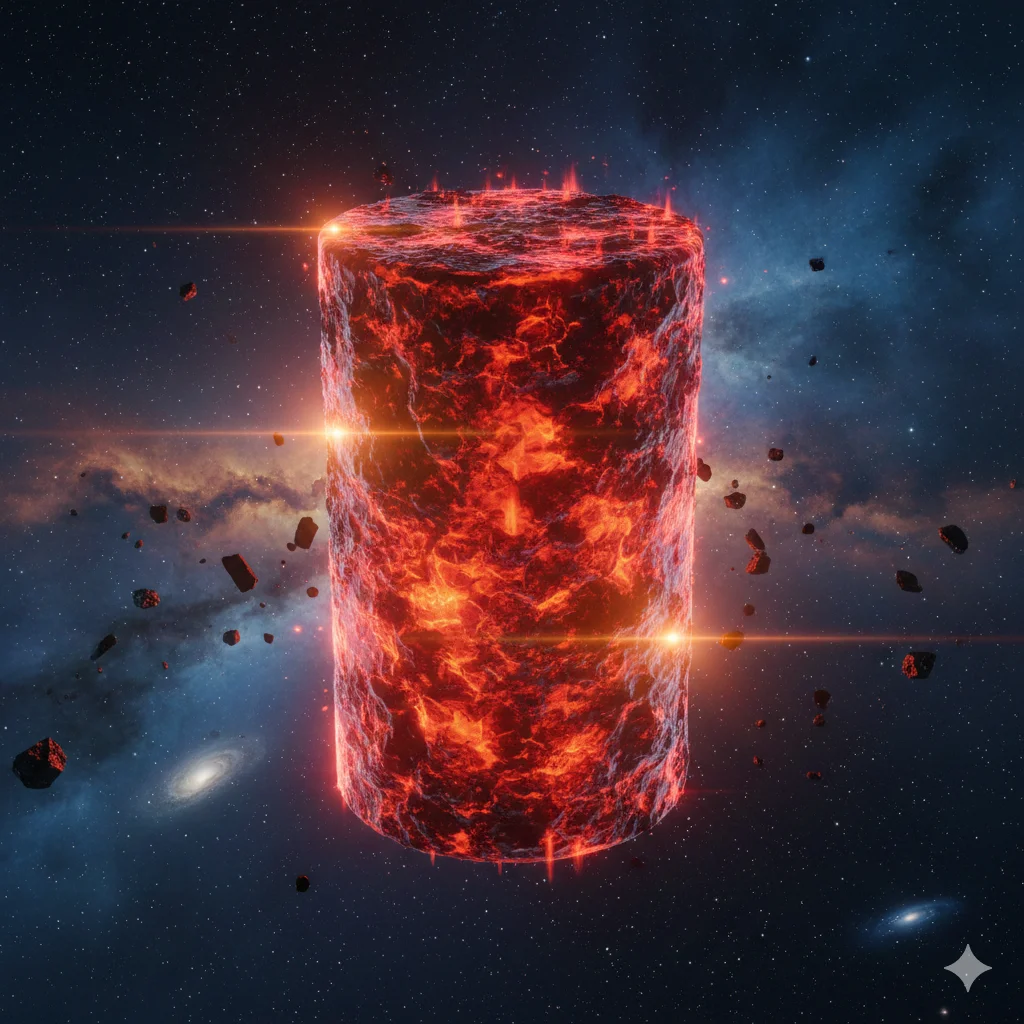
A Dyson module is a solar thermal power plant — store heat directly as molten Fe-Ni in zero-g. ~145 Wh/kg with latent heat, infinite cycles, all from asteroid ore.
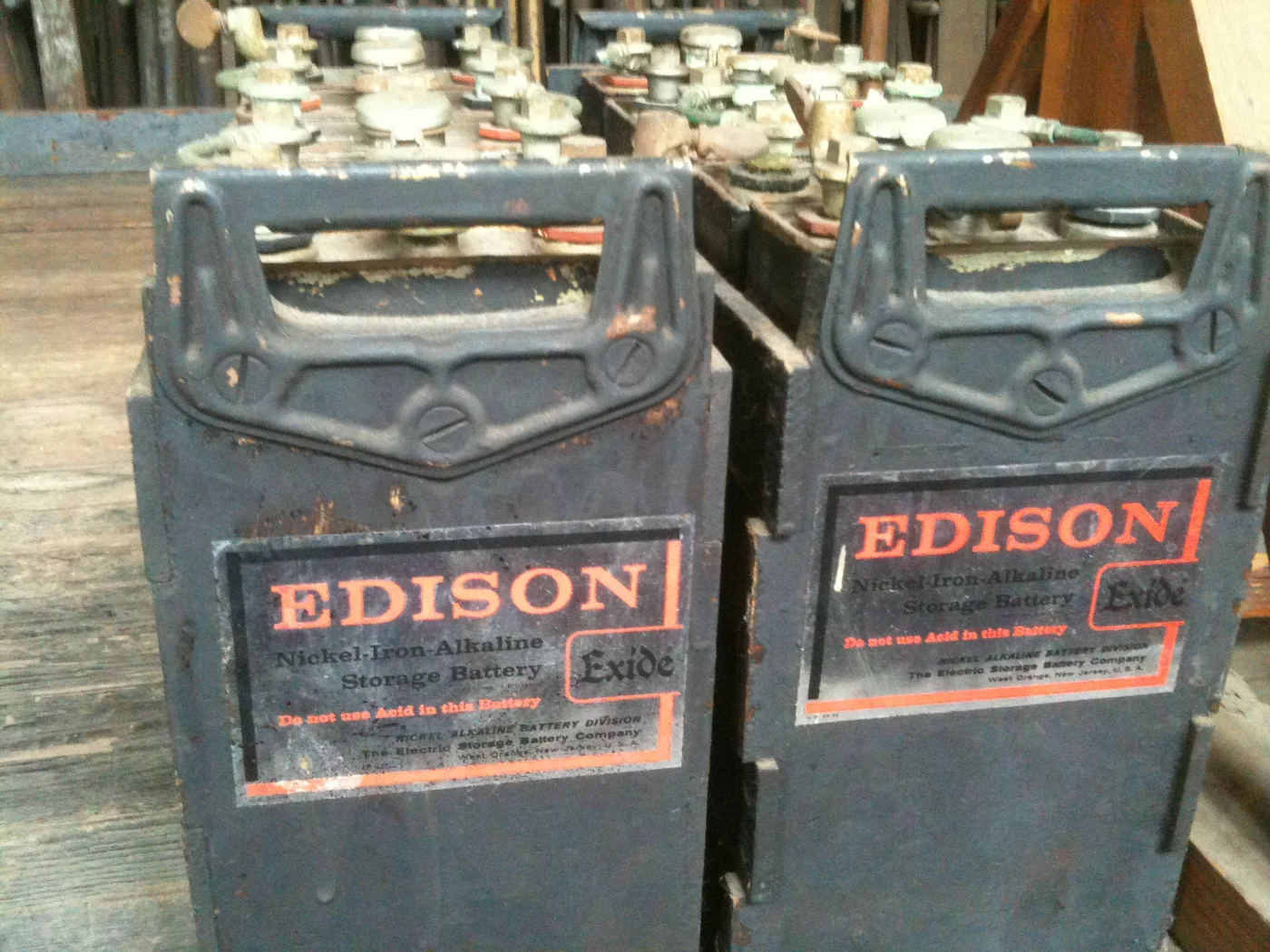
There's no lithium on asteroids, you can't swap batteries every 10 years in space, and you can't put out a fire in vacuum. Iron-nickel batteries are made from asteroid smelting byproducts, last 30-50 years, and after full charge they produce hydrogen and oxygen.
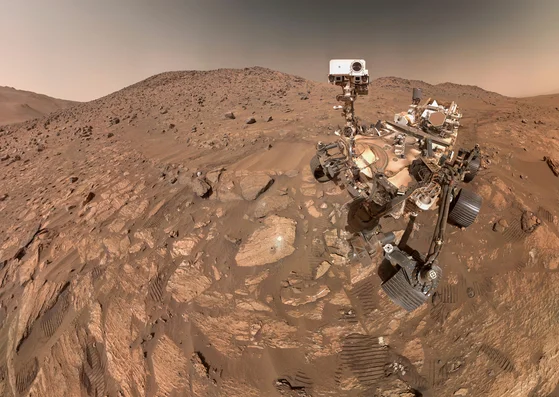
Nobody knows if a child can develop normally in Mars's 0.38G. An O'Neill cylinder guarantees 1G. Energy, industry, communications, return — L5 beats Mars on every metric.
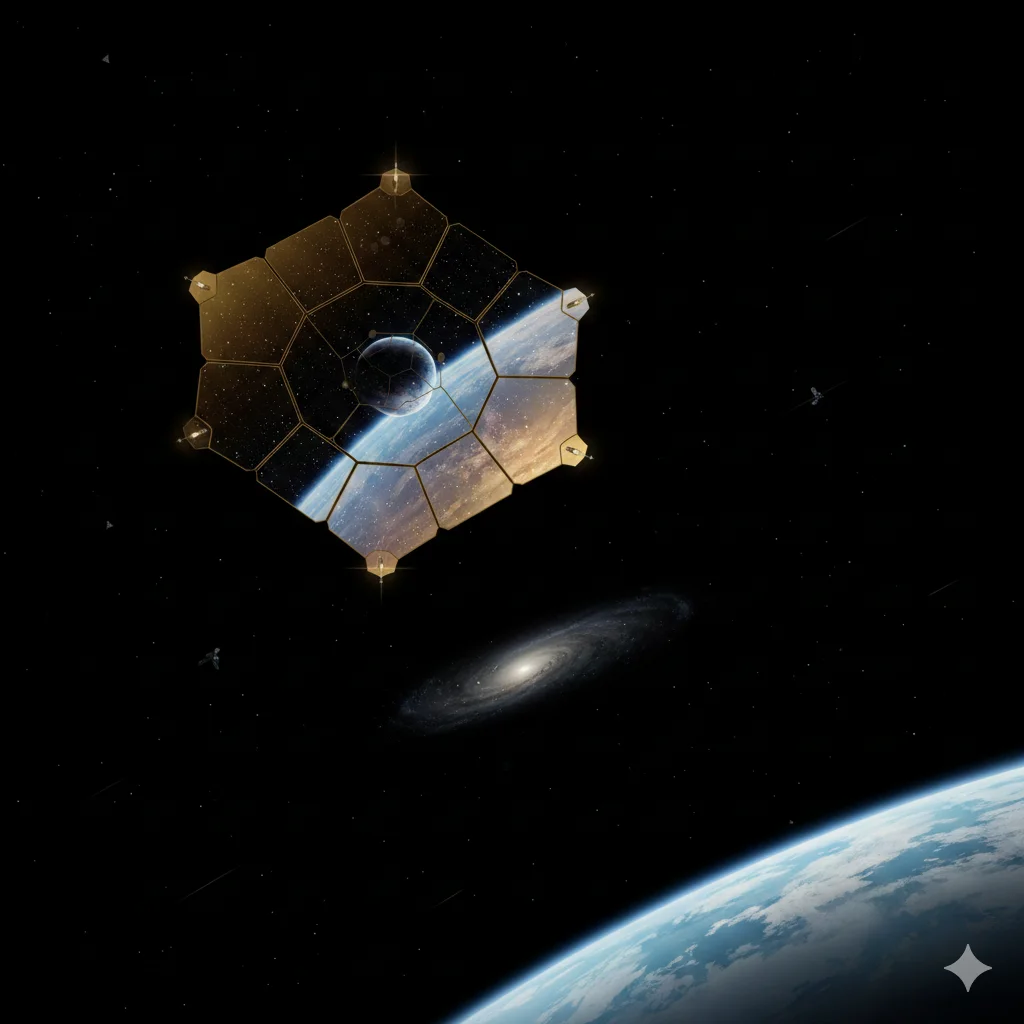
The same factory that stamps out Dyson swarm mirrors can produce ultra-thin Fe-Ni climate shade panels. Place 2 million km² at SEL1 and you reverse 2°C of warming — fully reversible, no atmospheric side effects.
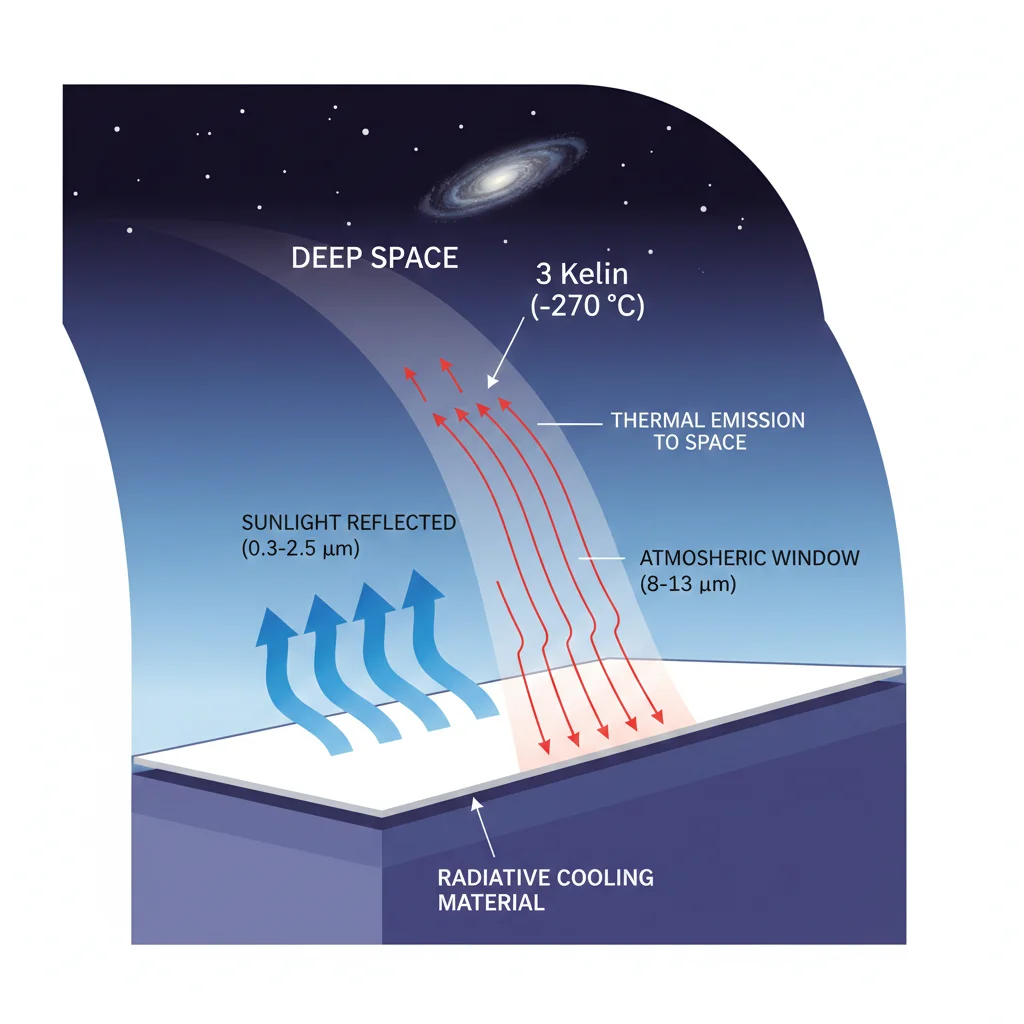
No fluid survives 1,600°C in a closed loop. Each facility gets its own mirror, dumps waste heat at the highest possible temperature, and only sub-100°C leftovers reach the habitat.
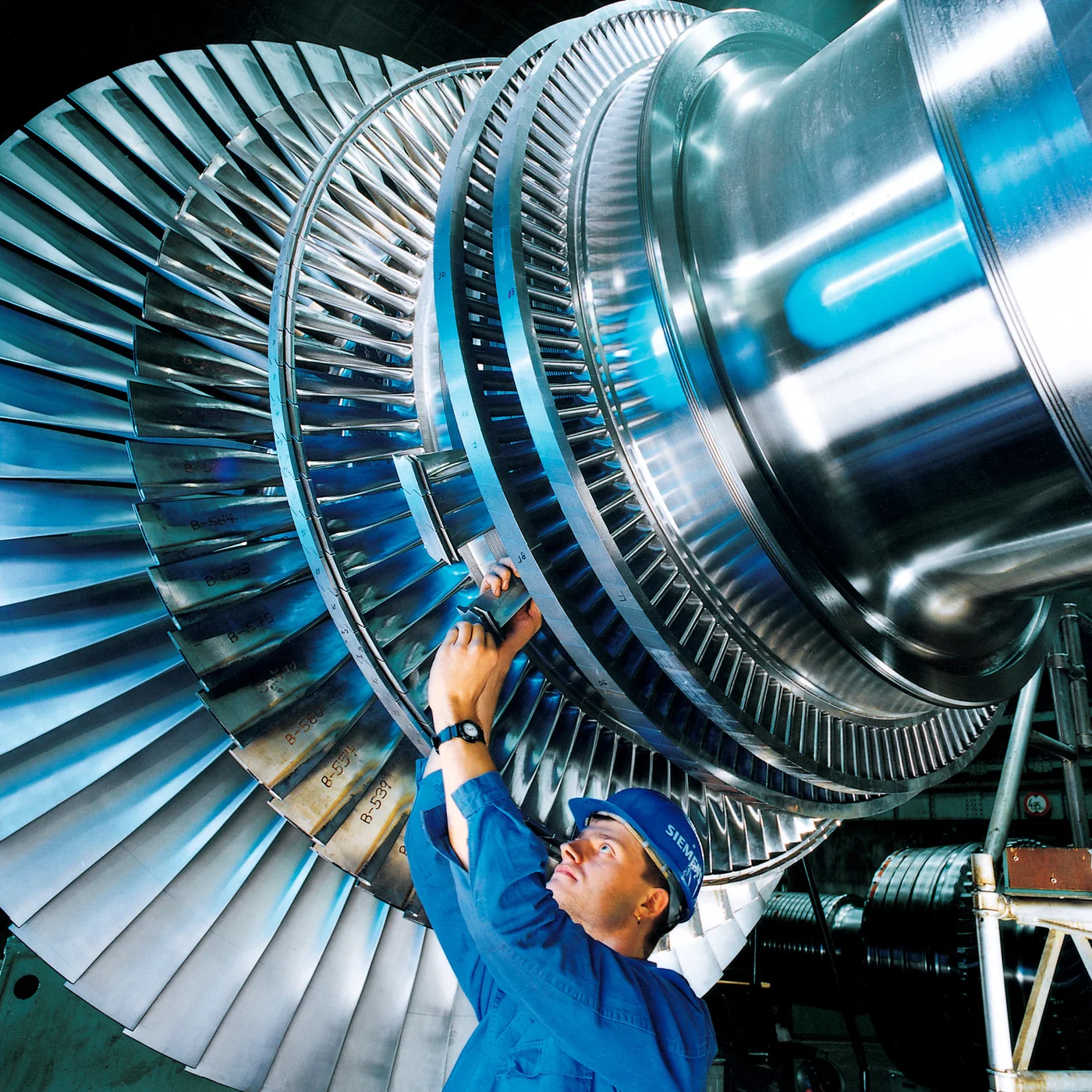
Solar panels and turbines both convert sunlight to electricity at ~30% efficiency in space. But turbines cascade the remaining 70% as useful heat, can be built from asteroid materials, and are field-serviceable — making them the only option for a self-replicating Dyson swarm.
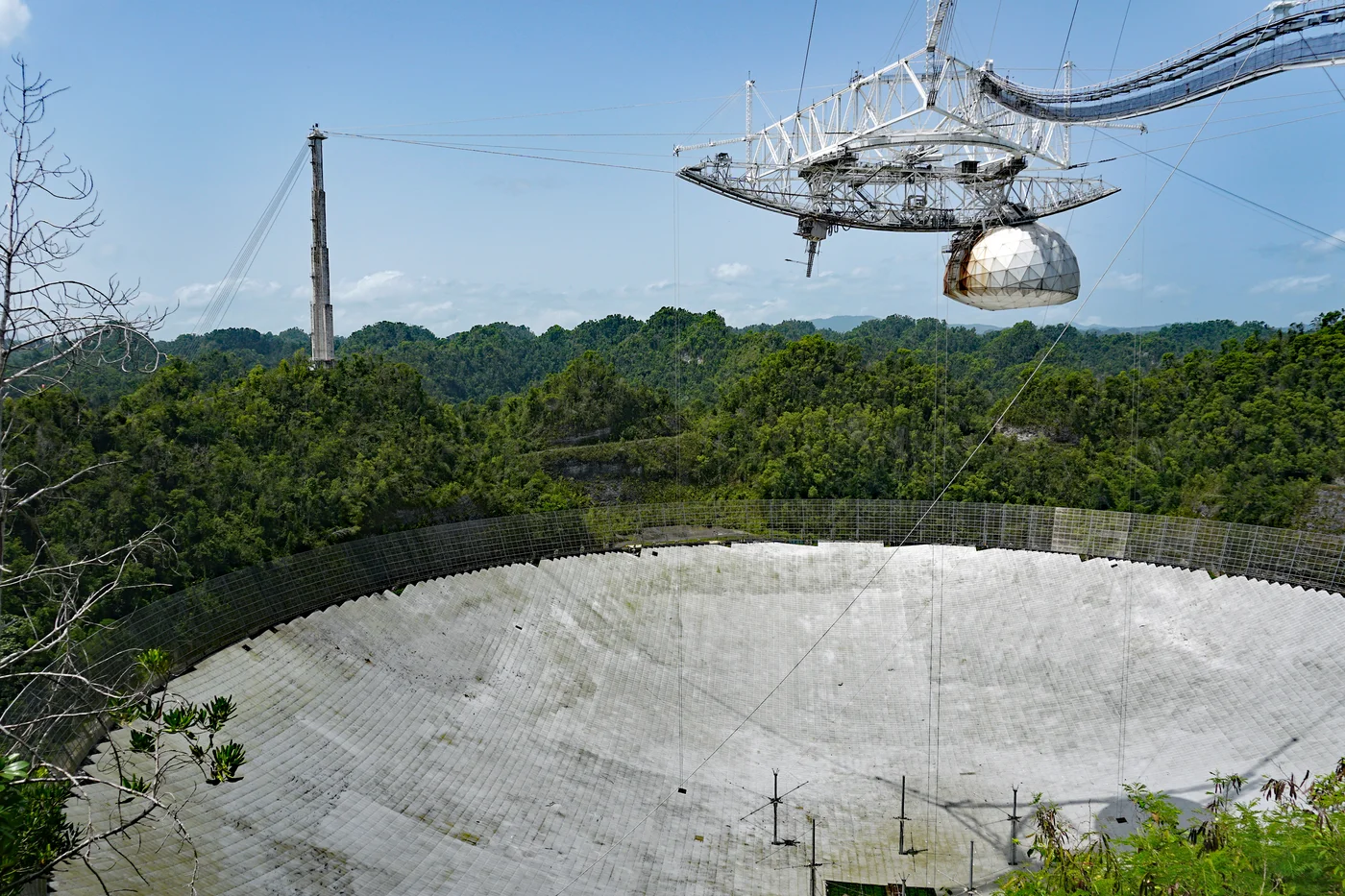
The standard Dyson swarm collects energy where nothing lives and must beam it to where people are — losing 75-90% in transmission. At L5, you put the factories next to the mirrors and plug them in.
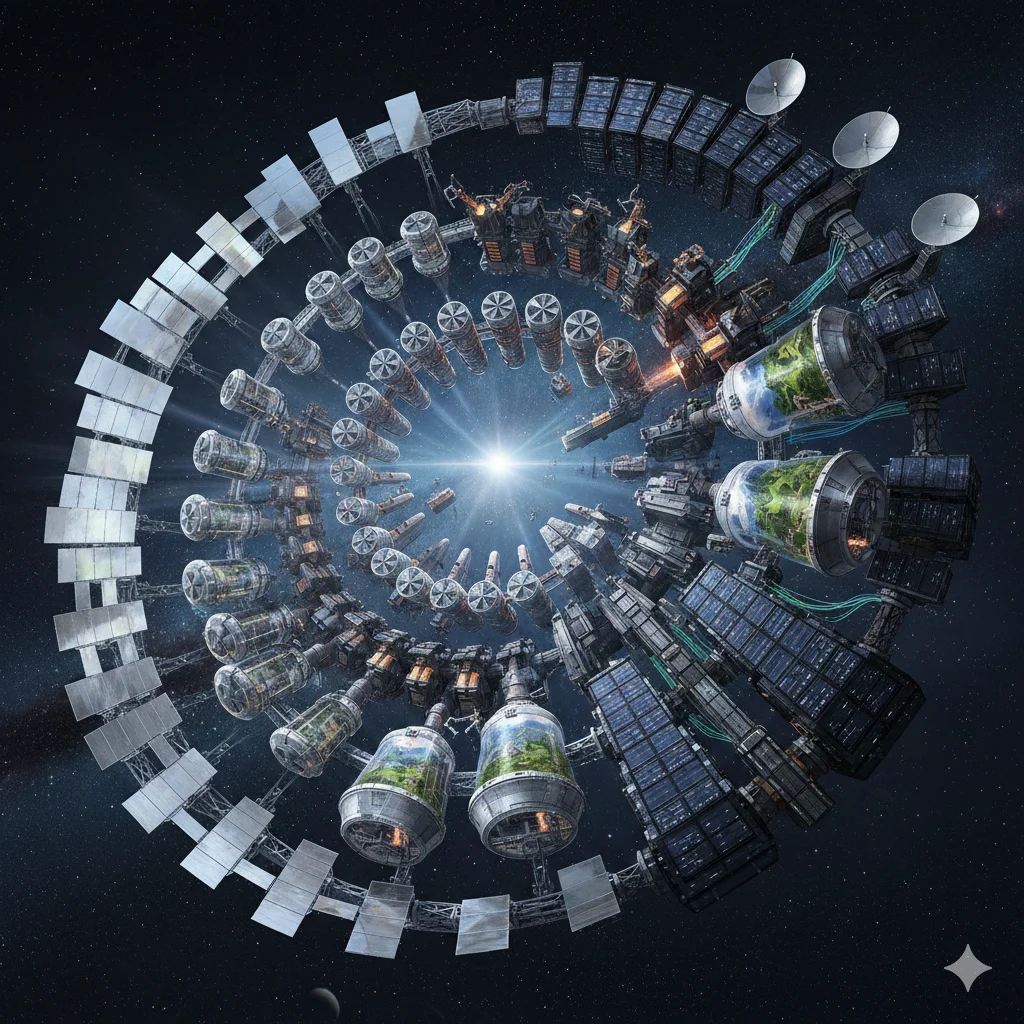
The standard Dyson swarm scenario assumes dismantling Mercury near the Sun. But what if you use asteroid resources and build at Sun-Earth L5 instead? Here are the calculations.
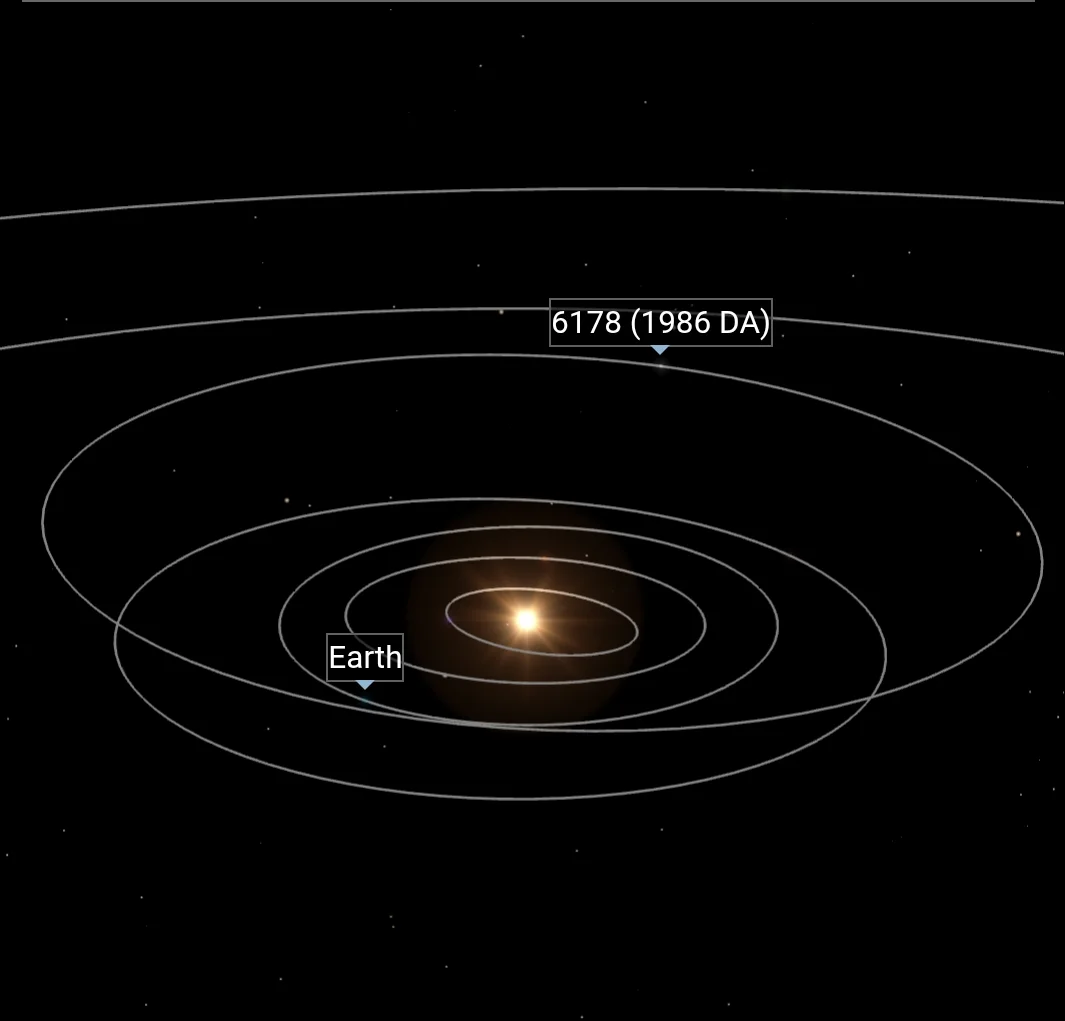
A complete engineering design for mining metallic asteroid 1986 DA with an SMR-powered mining ship, packaging ore in Fe-Ni wire mesh nets, and shipping 200,000 tons per transfer window.
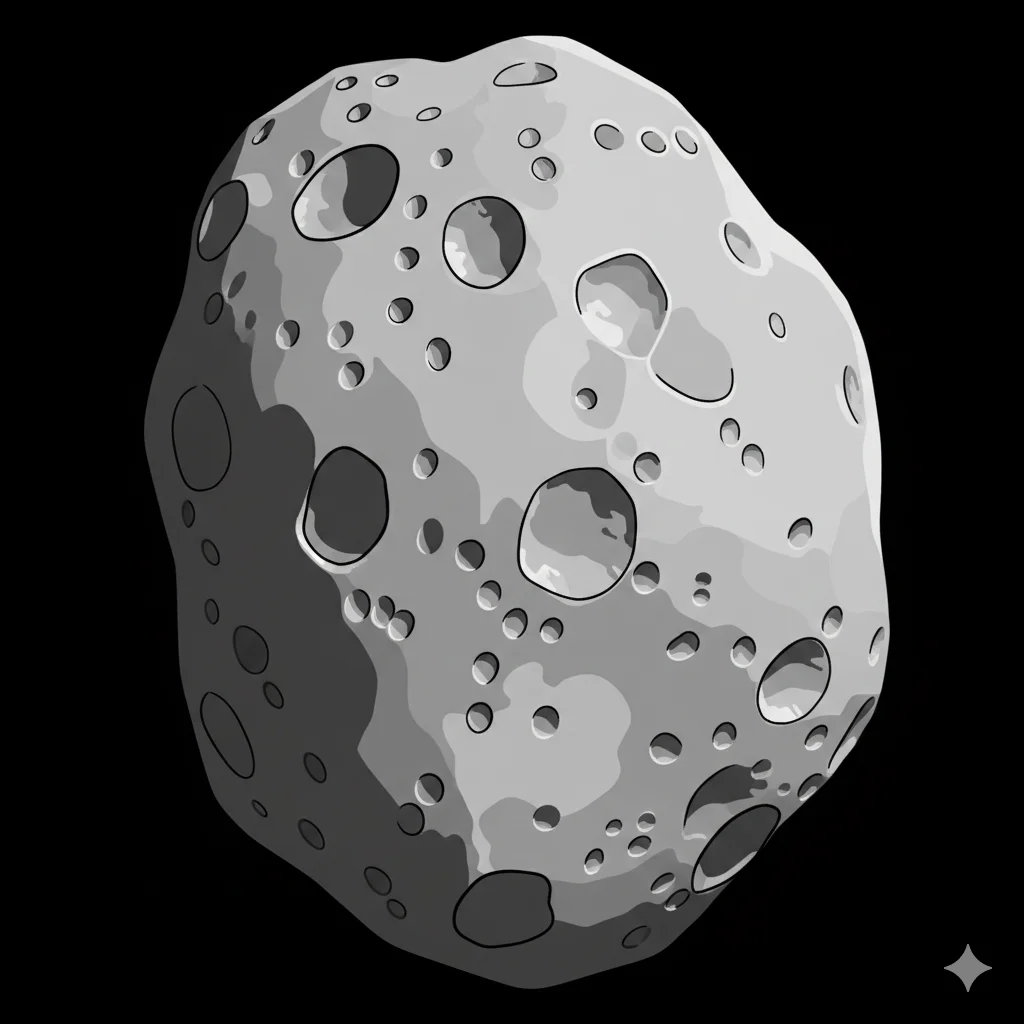
Where do you source the billions of tons of Fe-Ni needed for a Dyson swarm? A 3 km metallic asteroid, 1986 DA, makes a close approach to Earth in 2038.
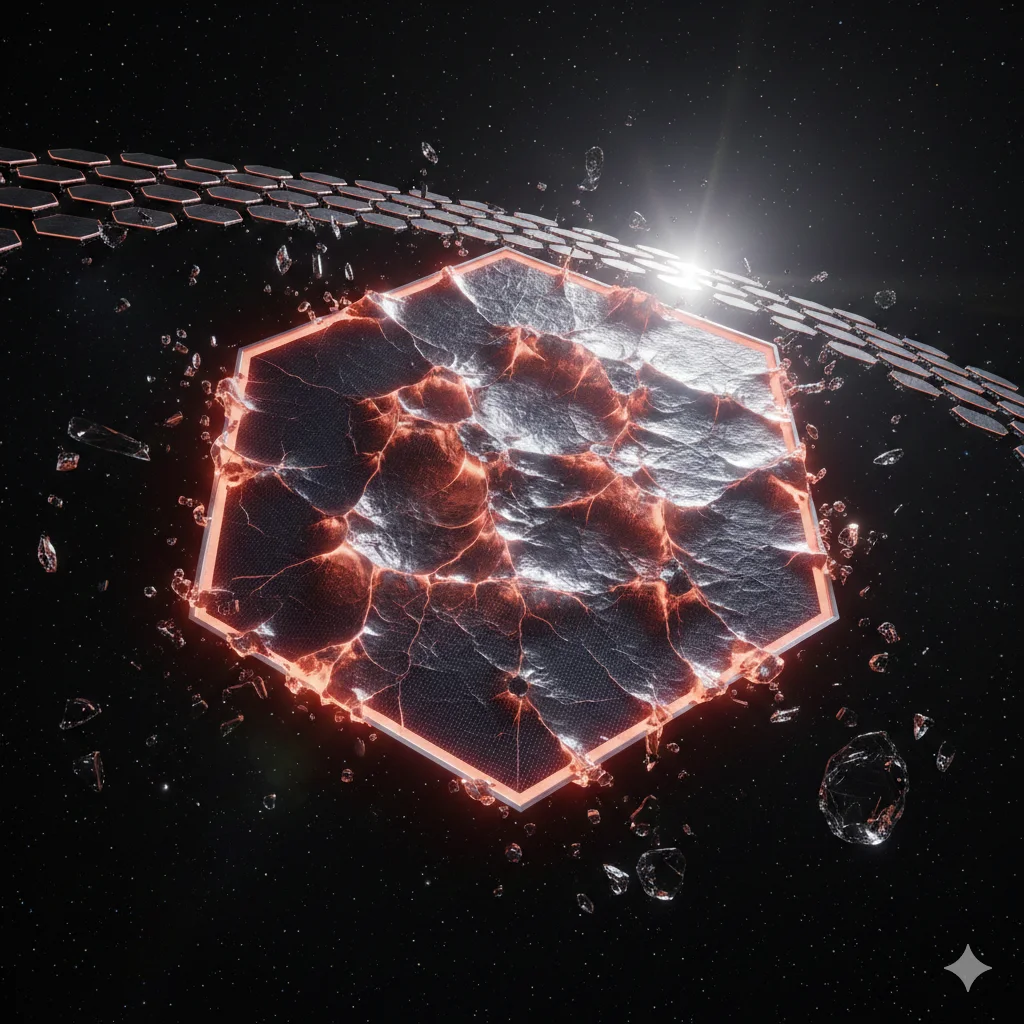
At Mercury's orbit (0.39 AU), a 5% reflectivity drop doesn't just reduce output — it triggers a thermal runaway feedback loop that kills the mirror. At L5 (1 AU), the same degradation is a rounding error.
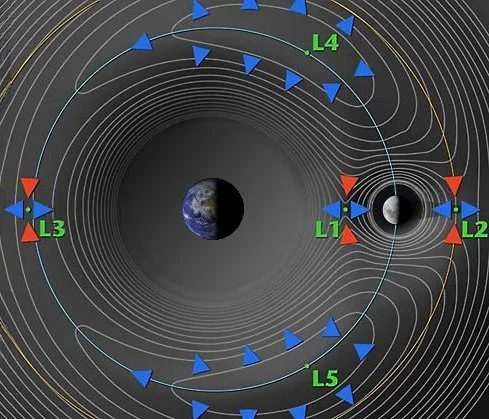
The first mirror of a Dyson swarm should be placed at Earth-Moon L5, not Mercury. With 1.3-second communication delay, direct lunar resources, and Earth resupply — EML5 is the optimal bootstrap site.